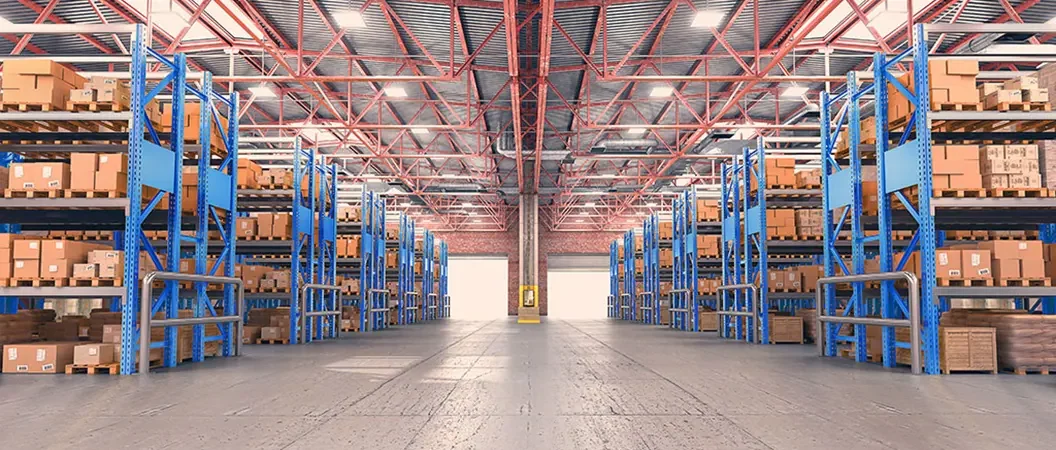
Modern logistics depends on much more than warehouses, transportation networks, inventory systems, and software. While these components form the visible structure of a supply chain, some of the most important infrastructure exists between them.
Shared data definitions, operating processes, decision-making responsibilities, system interfaces, and communication standards help different parts of a logistics network work together. This underlying cohesion can influence how efficiently businesses respond to disruptions, manage resources, and make decisions across their supply chain.
As logistics becomes increasingly automated and technology-driven, creating stronger connections between systems and operations is becoming an important consideration for businesses.
The Hidden Cost of Poor Coordination
Logistics costs are often associated with transportation, warehousing, labor, inventory, and energy. However, businesses can also face significant costs when different teams, systems, and partners struggle to coordinate.
Every handoff within a supply chain creates an opportunity for confusion or delays. A planner may need to communicate with a carrier, a warehouse may receive information from an enterprise resource planning system, and a transportation management system may depend on warehouse data to make decisions.
When these systems and teams operate with shared definitions and processes, information can move more efficiently. Employees understand their responsibilities, data has consistent meaning, and exceptions can be addressed more quickly.
When coordination is weak, employees may have to reconcile spreadsheets, investigate conflicting information, manually confirm updates, or rely on workarounds. Even businesses with advanced individual systems can experience operational challenges if those systems do not work effectively together.
Connectivity Does Not Always Mean Cohesion
Businesses have invested heavily in connecting logistics technologies. APIs, electronic data interchange, cloud platforms, Internet of Things devices, and visibility solutions allow information to move between systems and organizations.
However, simply exchanging data does not guarantee that different systems will interpret or use that information in the same way.
For example, multiple organizations may have access to the same shipment information while following different priorities, escalation procedures, or decision-making rules. A visibility platform may identify a delay, but resolving the issue can still require human coordination if responsibilities and response procedures are unclear.
Effective logistics architecture therefore requires more than connectivity. It also requires shared data structures, definitions, operating rules, decision rights, performance measures, and processes that help different components work toward common operational objectives.
Standards Can Improve Logistics Coordination
Standards provide a framework that allows different organizations and technologies to communicate without requiring every participant to operate identically.
A useful example can be found in physical logistics. Standardized shipping containers allow ships, ports, rail networks, and trucks to handle freight using compatible interfaces. These transportation modes remain specialized, but the shared standard reduces friction when goods move between them.
Digital logistics can benefit from the same principle. Standardized identifiers, data formats, messages, APIs, and event structures can reduce the amount of translation required between systems. Shared processes can also reduce uncertainty between business partners and internal departments.
The objective is not to make every part of a supply chain identical. Warehouses, carriers, manufacturers, suppliers, and technology platforms have different roles. Instead, the goal is to establish enough common structure for specialized components to operate effectively as part of a larger network.
Moving From Connected Systems to Integrated Architecture
As logistics technology becomes more sophisticated, businesses are increasingly required to consider how different elements of their operations fit together.
Business requirements, processes, data, technology, employee responsibilities, controls, and performance measurements all influence one another. Changes in one area can affect multiple parts of the supply chain.
For example, a change in warehouse labor procedures could influence trailer dwell times, transportation performance, inventory positioning, and customer service. Optimizing the warehouse in isolation may therefore produce unintended consequences elsewhere.
This interconnected nature of logistics makes broader systems thinking increasingly relevant. Instead of evaluating each technology or department independently, businesses can consider how processes and technologies interact across the entire operation.
Automation Makes Cohesion More Important
Historically, experienced employees often acted as the missing connection between fragmented systems. Planners, warehouse managers, and transportation professionals developed practical knowledge about which information could be trusted, when exceptions required manual intervention, and how different partners typically responded.
As more logistics activities become automated, businesses cannot rely as heavily on undocumented knowledge.
Warehouse automation, autonomous mobile robots, machine-learning applications, decision-intelligence platforms, and other technologies increasingly depend on accurate and consistent information. Automated systems generally require clearly defined processes and data to make reliable decisions.
This makes it increasingly important for businesses to document processes, clarify responsibilities, standardize information, and establish effective interfaces between technologies.
AI Creates New Opportunities for Logistics Coordination
Artificial intelligence could further change how logistics networks operate. Traditional enterprise AI applications often provide recommendations that employees review before taking action. Newer agent-based approaches have the potential to perform more interconnected tasks, such as identifying an exception, gathering relevant information, evaluating alternatives, and initiating an operational response.
For these systems to work effectively, however, important information must be accessible and consistent across the organization.
Customer priorities may exist in one platform, inventory information in another, transportation constraints somewhere else, while important operational rules may still depend on employee knowledge. Without sufficient integration, AI systems may struggle to understand the complete operational context.
Stronger logistics architecture can provide AI systems with better access to the information, rules, and processes required for coordinated decision-making. This could allow businesses to connect transportation planning with warehouse capacity, inventory with customer commitments, and production schedules with material availability.
Improving the Connections Between Logistics Functions
For many years, technology investments have focused on improving individual logistics functions. Businesses have adopted more capable warehouse management systems, transportation management systems, planning tools, automation, and visibility platforms.
These technologies remain important, but the connections between them can also have a major operational impact. This is particularly relevant to reverse logistics, where returns, transportation, inventory management, warehousing, refurbishment, recycling, and disposal often need to work together across multiple stages of the supply chain.
A business may improve warehouse productivity while transportation remains inefficient. It may increase shipment visibility without establishing clear procedures for responding to exceptions. It may introduce automation without updating the processes that connect automated equipment with employees and other systems.
Looking beyond individual functions can help businesses identify these gaps and develop a more coordinated logistics network.
Conclusion
Modern logistics is becoming increasingly interconnected. As businesses adopt automation, cloud platforms, advanced analytics, and AI-driven systems, the ability of different technologies, teams, and partners to work together becomes increasingly important.
Cohesion does not mean making every logistics function operate in the same way. It means creating enough shared structure through common data definitions, standards, processes, interfaces, and decision-making responsibilities to allow specialized components to work together effectively.
For businesses planning their next stage of logistics technology investment, improving the connections between systems and functions can be just as important as upgrading the individual technologies themselves. A coordinated network can provide a stronger foundation for efficient decision-making, automation, and future supply chain innovation.
FAQs
Cohesion helps different logistics systems, teams, and business partners work together using consistent information, processes, and decision-making rules. It can reduce coordination problems and improve how organizations respond to operational changes.
Connectivity allows systems and organizations to exchange information, while cohesion goes further by ensuring that the information has consistent meaning and that participants follow compatible processes, responsibilities, and decision-making rules.
AI can potentially coordinate information and decisions across multiple logistics functions. However, effective AI implementation depends on reliable data, accessible systems, clearly defined processes, and business rules that allow AI applications to understand the broader operational context.