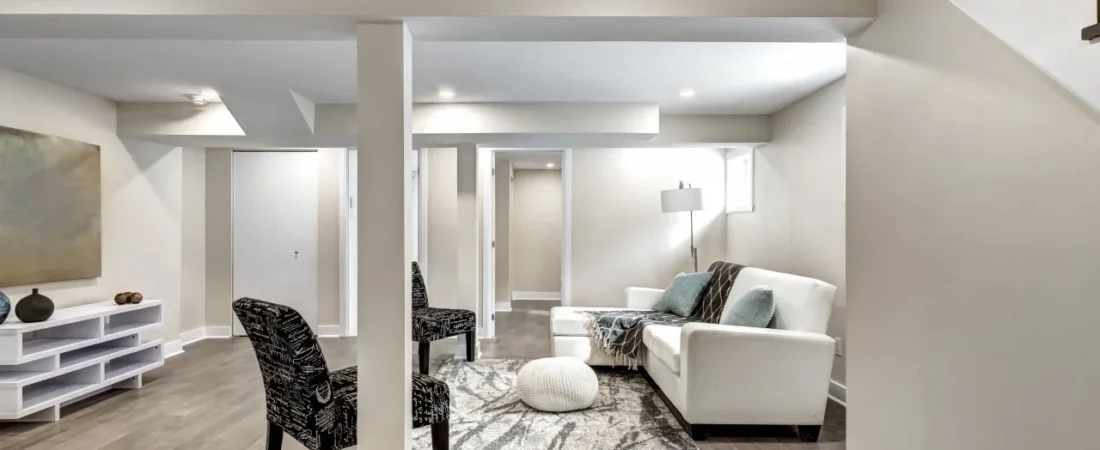
Choosing the right flooring is an important part of finishing or remodeling a basement. Unlike above-ground rooms, basements can experience moisture, humidity, temperature changes, and limited natural light. Flooring therefore needs to balance durability and practicality with the appearance and function of the space.
From vinyl and ceramic tile to engineered wood, carpet tiles, and finished concrete, property owners have several options. The best choice depends on the basement’s condition, intended use, maintenance requirements, and renovation budget.
What to Consider Before Choosing Basement Flooring
Before selecting a flooring material, it is important to evaluate the condition of the basement. Moisture problems should be addressed before new flooring is installed. A damp or leaking foundation can damage flooring materials and create larger maintenance problems over time.
The existing subfloor also matters. Some flooring products require a smooth, clean, and dry surface, while others can be installed directly over concrete. Property owners should also consider how the basement will be used. A family room may benefit from comfortable flooring, while a utility area may require a highly moisture-resistant and easy-to-clean surface.
Vinyl Flooring for Versatility and Easy Maintenance
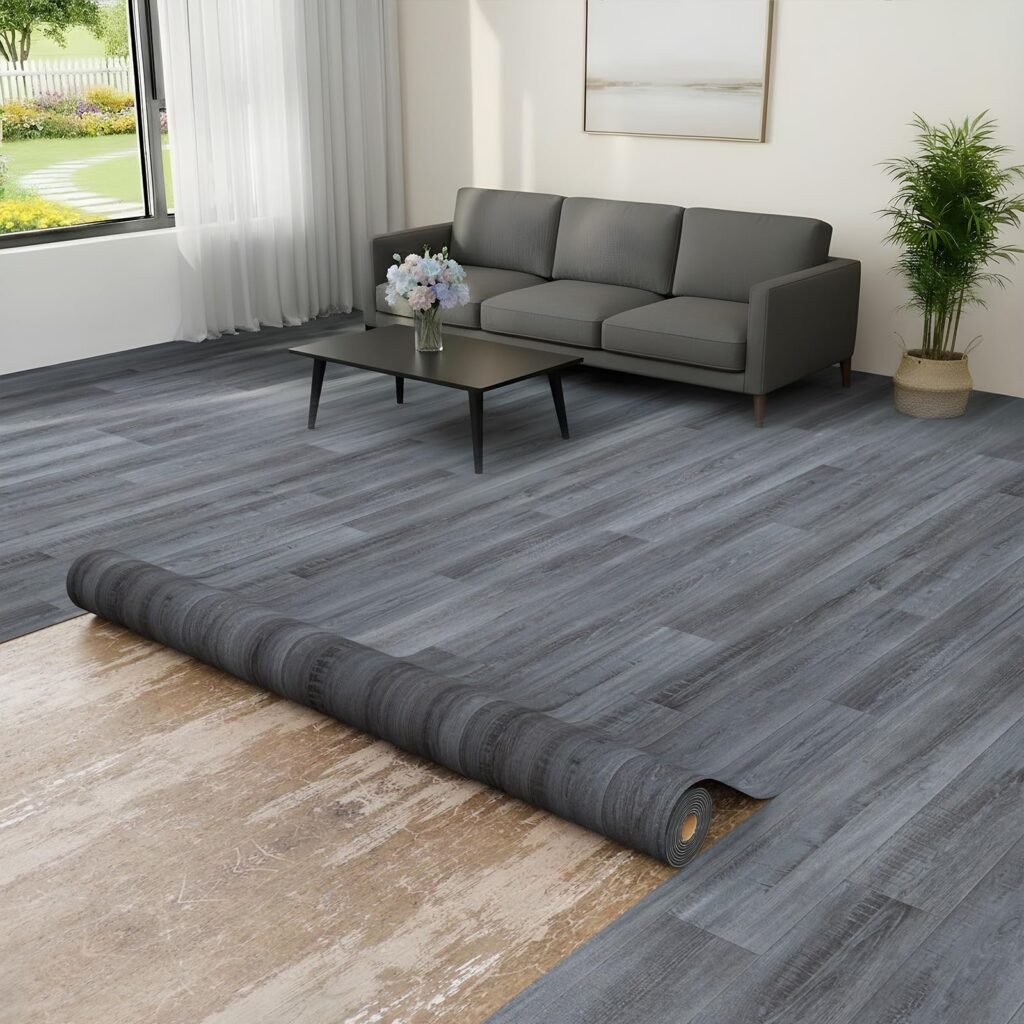
Vinyl is a popular option for basement floors because it is durable, relatively affordable, and easy to maintain. Sheet vinyl can provide broad coverage with minimal seams, while vinyl tiles and planks are available in numerous colors and patterns.
For basements where moisture is a concern, appropriately selected vinyl can offer practical resistance to water and everyday spills. It can work well in recreation rooms, mudrooms, laundry areas, and other spaces that receive regular use.
Carpet Tiles for Warmth and Comfort
Carpet tiles can provide a softer and warmer surface than concrete while allowing property owners to introduce patterns and colors into the room.
One advantage of carpet tiles is that individual sections can be replaced if they become stained or damaged. This can make maintenance easier than replacing an entire carpeted area.
However, moisture conditions should be carefully evaluated before installing carpet or carpet tiles in a basement. A consistently damp environment may not be suitable for textile flooring.
Ceramic and Stone Tile for Moisture Resistance
Ceramic tile and stone options such as slate can provide a durable surface that is relatively easy to clean. These materials can be particularly useful in areas where moisture resistance is a priority.
Tile can also provide a polished appearance and is available in a broad selection of sizes, colors, textures, and patterns. Because tile can feel cold underfoot, property owners may want to consider area rugs or suitable heating solutions where appropriate.
Engineered Wood for a Wood-Look Finish
Traditional solid hardwood is not always the most practical choice for below-grade spaces because changes in moisture can cause wood to expand, contract, or warp.
Engineered wood offers an alternative. Its layered construction can provide greater dimensional stability than solid hardwood while still delivering the appearance of natural wood.
It can be a suitable choice for homeowners who want a warmer, more traditional appearance without using conventional solid hardwood throughout the basement.
Laminate Flooring for Affordable Style
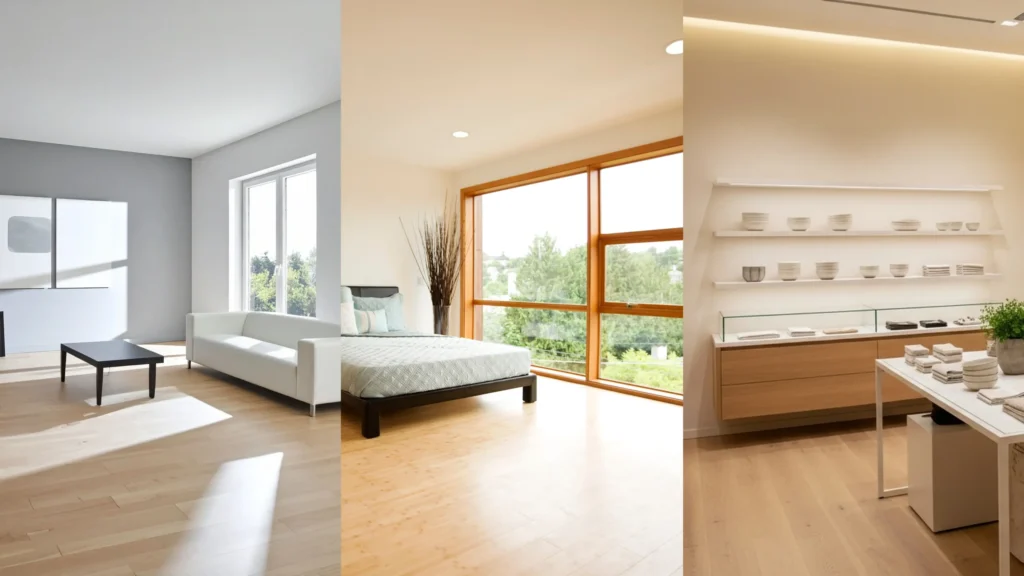
Laminate flooring can replicate the appearance of wood and other materials while offering a range of design options. It can be an attractive choice for property owners looking to create a finished appearance without the cost associated with some natural materials.
Because basement conditions can vary, it is important to select a product designed for the installation environment and follow the manufacturer’s requirements for moisture protection and installation.
Painted and Sealed Concrete
A concrete basement floor does not necessarily need to be covered with another flooring material. When the concrete surface is clean, dry, smooth, and suitable for finishing, paint can provide an economical way to improve its appearance.
Concrete can also be sealed to help protect the surface from moisture and everyday spills. This approach can work particularly well in utility spaces, workshops, storage areas, or contemporary basement designs.
Vinyl Floor Tiles for Budget-Friendly Renovations
Vinyl tiles can provide another practical solution for basement renovations. They are available in different colors and patterns and can be relatively straightforward to install when the underlying surface is properly prepared.
For DIY projects, property owners should carefully check whether the concrete surface is suitable for the selected adhesive and flooring product. Proper preparation can have a major impact on the durability of the finished floor.
Cork Flooring for Comfort
Cork can provide a softer surface and help reduce sound transmission compared with harder flooring materials. Its natural appearance can also complement a range of basement designs.
However, moisture conditions should be carefully assessed before choosing cork. Proper installation and selecting a product appropriate for basement environments are important considerations.
Area Rugs for Added Warmth
An area rug can complement almost any basement flooring material. Rugs can make hard surfaces more comfortable, define seating areas, introduce color, and improve the overall appearance of a finished basement.
For basements, property owners should select rug pads and materials that are appropriate for the humidity conditions. Keeping the surrounding flooring and rug area dry can also make maintenance easier.
How to Choose the Right Basement Flooring
There is no single flooring material that works for every basement. Property owners should compare options based on several practical factors:
- Moisture: Determine whether the basement has a history of leaks, humidity, or water intrusion.
- Durability: Consider how much foot traffic and daily use the space will receive.
- Maintenance: Choose a material that fits the amount of cleaning and upkeep required.
- Comfort: Consider whether the space will be used for recreation, relaxation, work, or storage.
- Budget: Compare both material and installation costs rather than focusing only on the purchase price.
- Appearance: Select colors, patterns, and textures that complement the rest of the property.
- Installation: Check whether professional installation is recommended or whether the material is suitable for a DIY project.
Why Professional Installation Can Be Beneficial
Basement flooring installation can involve more than placing the finished material over an existing surface. Moisture testing, surface preparation, leveling, vapor protection, adhesives, and other installation requirements may affect the long-term performance of the floor.
Experienced flooring professionals can assess the existing conditions and recommend products appropriate for the space. Professional installation may also help property owners avoid problems caused by inadequate preparation or incorrect installation techniques.
Conclusion
The best basement flooring should provide a balance of durability, moisture resistance, comfort, maintenance, appearance, and cost. Vinyl, tile, engineered wood, laminate, carpet tiles, cork, and finished concrete each offer different advantages depending on how the basement will be used.
Before making a decision, property owners should address moisture concerns, evaluate the existing floor, establish a realistic budget, and consider the long-term maintenance requirements. Choosing a flooring material that suits the specific conditions of the basement can create a more functional and attractive space while helping protect the renovation investment.
FAQs
There is no universal best option. Vinyl, ceramic tile, sealed concrete, engineered wood, and other materials can work well when they are appropriate for the basement’s moisture conditions and intended use.
Traditional solid hardwood may be vulnerable to moisture-related expansion and contraction in below-grade environments. Engineered wood can be an alternative because its layered construction generally provides greater dimensional stability.
Yes. Any leaks, water intrusion, or significant moisture problems should be addressed before installing new flooring. Installing flooring over an unsuitable or damp surface can lead to damage and costly repairs later.