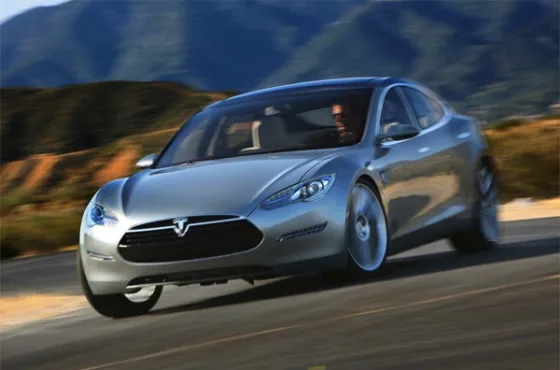
The used electric vehicle market has reached a fascinating turning point. Luxury flagship sedans that once commanded six-figure price tags are now trading for less than the cost of a brand-new economy car. For budget-conscious buyers looking to transition into an EV, early-generation Tesla Model S models present a compelling proposition: ample space, swift performance, and everyday usability.
However, prospective buyers have long harbored one major concern: battery degradation. With many early vehicles now past their original warranties, the prospect of a costly high-voltage pack replacement has deterred many second-hand shoppers. Recent long-term data and real-world testing indicate that these fears may be largely exaggerated, though ownership still comes with a distinct set of trade-offs.
The Good News: Battery Longevity Defies Expectations
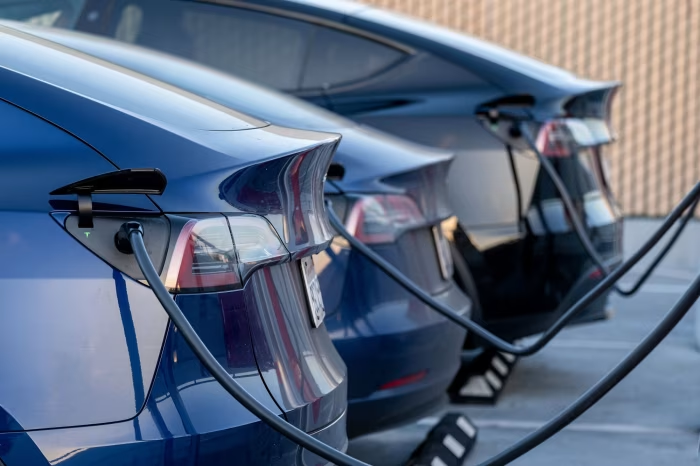
While early-generation EVs from other manufacturers often suffered from aggressive capacity loss, surviving high-mileage Model S sedans show remarkable resilience.
- Retained Capacity: Vehicles over a decade old with approximately 200,000 miles on the odometer typically retain 85% to 90% of their original capacity, depending on their usage history.
- Real-World Range: Even with normal aging, high-mileage examples easily deliver a practical real-world daily range of roughly 180 to 200 miles.
- Tested Examples: Recent evaluations of a high-mileage 2015 Model S P85D with nearly 160,000 miles indicated that the pack still retained roughly 86% of its original capacity, demonstrating solid health despite more than a decade of wear.
The Catch: Luxury Complexity and Maintenance Risks
While the battery may hold up better than expected, the rest of an aging luxury vehicle introduces potential financial liabilities. Early Model S sedans are packed with sophisticated electronics and mechanical components that are prone to wear over time.
Buyers should inspect and budget for potential issues with:
- Air Suspension: Minor leaks can cause the vehicle to sag when parked, putting extra strain on the compressor.
- Electronics and Hardware: Early MCU1 infotainment systems can feel sluggish, and powered tailgates, door handles, and panoramic roofs are known points of failure.
- Component Costs: Routine maintenance and unexpected repairs mirror those of any high-end European luxury car from the same era, meaning small fixes can still carry hefty bills.
The ‘SC01’ Factor: Free Lifetime Supercharging
One unique feature that dramatically alters the ownership equation for early vehicles (produced between 2012 and early 2016) is the “SC01” free lifetime Supercharging option.
Unlike later iterations tied strictly to the original buyer, the SC01 designation is often transferable to subsequent owners. For drivers who cover significant highway distances or live in apartments without private charging access, zero-cost access to Tesla’s Supercharger network can offset higher energy consumption and make the overall ownership cost significantly more manageable.
- Verification Warning: Buyers should never rely solely on a seller’s listing description. Confirming transferable Supercharging status requires verifying the vehicle specifications directly inside the Tesla app under ownership credentials.
The Verdict
For buyers willing to look past aging infotainment systems and potential cosmetic or auxiliary repairs, a well-maintained early Model S offers unmatched performance and practicality for the money. Market values for pre-2017 models have fallen heavily into budget-EV territory—frequently ranging between $10,000 and $17,000 depending on condition and configuration.
Thorough due diligence remains essential: request comprehensive service records, verify battery health through diagnostic tools or apps, test every onboard accessory, and confirm any transferable charging benefits before closing the deal.
Frequently Asked Questions
Contrary to common fears, early Tesla Model S battery packs have proven remarkably durable. Vehicles that are over 10 years old and have traveled around 200,000 miles typically still retain 85% to 90% of their original capacity, translating to a reliable daily real-world range of about 180 to 200 miles.
The SC01 option designates early Model S vehicles (built between 2012 and early 2016) that came with free, unlimited lifetime Supercharging that can often be transferred to subsequent owners. While it allows qualifying buyers to use Tesla Superchargers without paying for energy, buyers should always verify this status directly inside the Tesla app rather than trusting a seller’s ad alone, as some newer benefits do not transfer.
The battery is often the least of a buyer’s worries. Because these are complex, high-end luxury vehicles, secondary components are prone to expensive wear and tear. Common trouble spots include aging air suspension systems, sluggish early MCU1 infotainment screens, door handles, and powered tailgates, meaning buyers should always set aside a contingency fund for unexpected repairs.